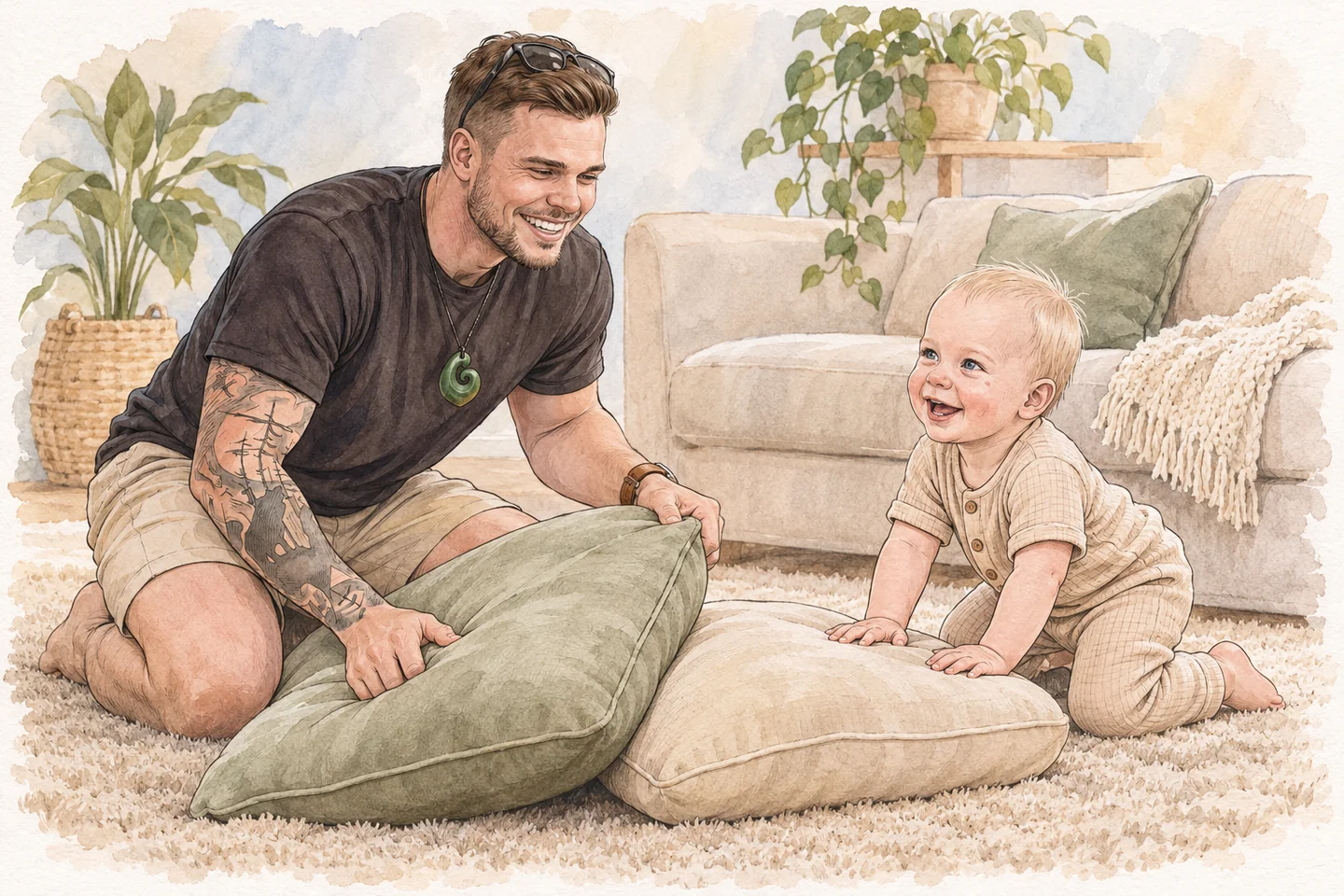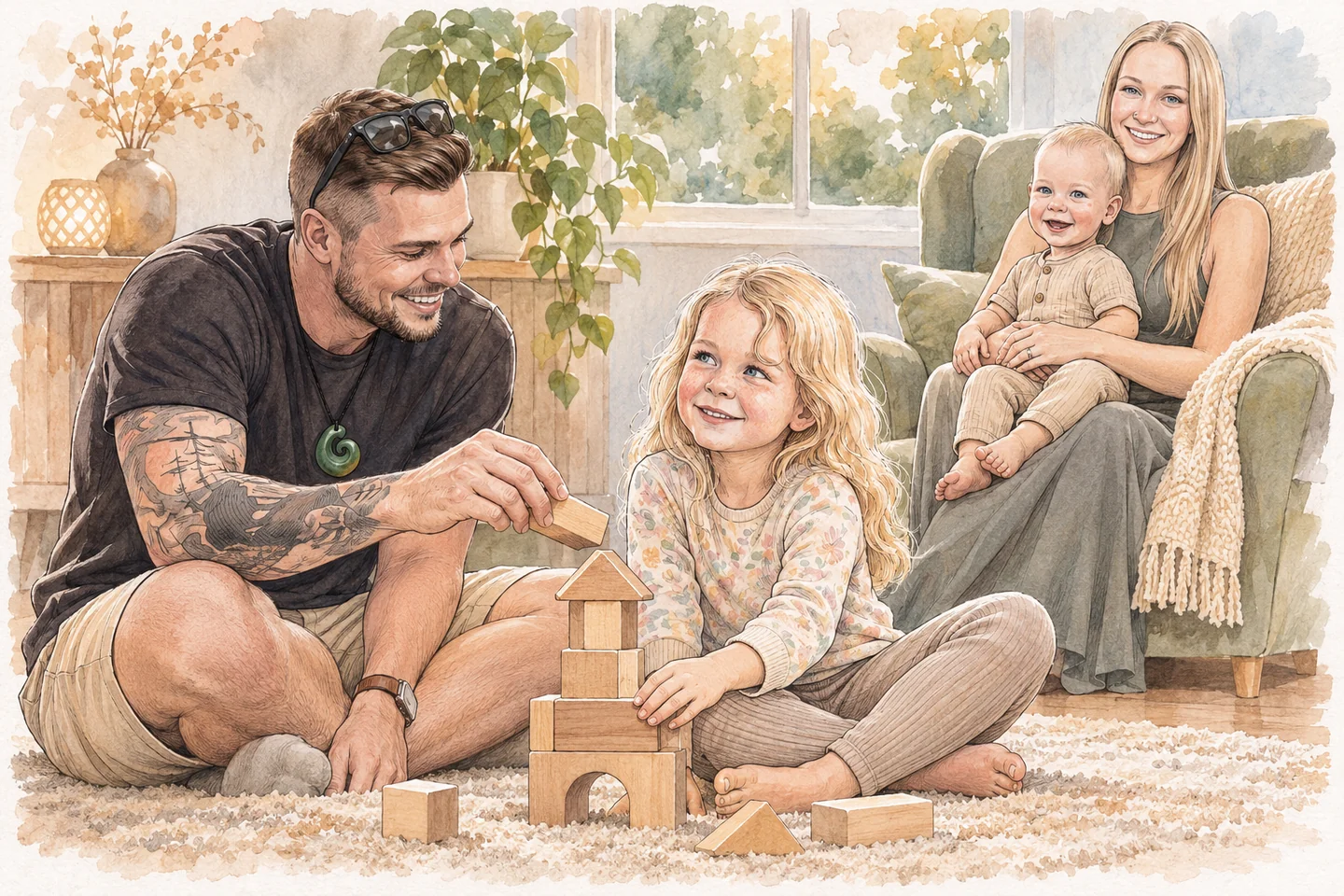
I once spent a 20-minute drive with a half-naked baby in their soiled car seat, wrapped in my jumper, praying the lights would stay green. We had packed a spare outfit and thought we were set. Then our tiny demolition expert produced a second poonami that made a mockery of our plan. Lesson learned: two backup changes of clothes, minimum. These days, I keep an extra set for me too, sealed in a zip-lock, ready for duty. Not fancy, just parenting. If the Christmas to New Year stretch is your family’s big roadie, bach hop, or airport hustle, this guide is your mate in the passenger seat. Practical, Kiwi-as, rooted in safety and sanity, with plenty of permission to do what actually works for your whānau.
Step 1: Set yourself up before the chaos
Start co-parenting plans early, then stay flexible
If you are separated, clarity is your biggest stress reducer. Agree the holiday schedule well in advance, pop it in a shared calendar, and confirm in writing. It prevents last-minute conflict and makes life easier for the kids, which is the point of the season. When life throws curveballs, adjust plans calmly and early, putting tamariki first.
Reframe gifts so the day is calmer and cheaper
Big gift mountains often equal big meltdowns. Suggest Secret Santa for large whānau with a sensible price cap, and you dodge cost blowouts and toy avalanches. We use a one-present-per-person rule for our little ones, and it keeps the room peaceful. Hosting lunch? Make it a potluck. Sharing the workload and the food bill keeps everyone sane.
Step 2: Pack like a pro
Grab-and-go kit
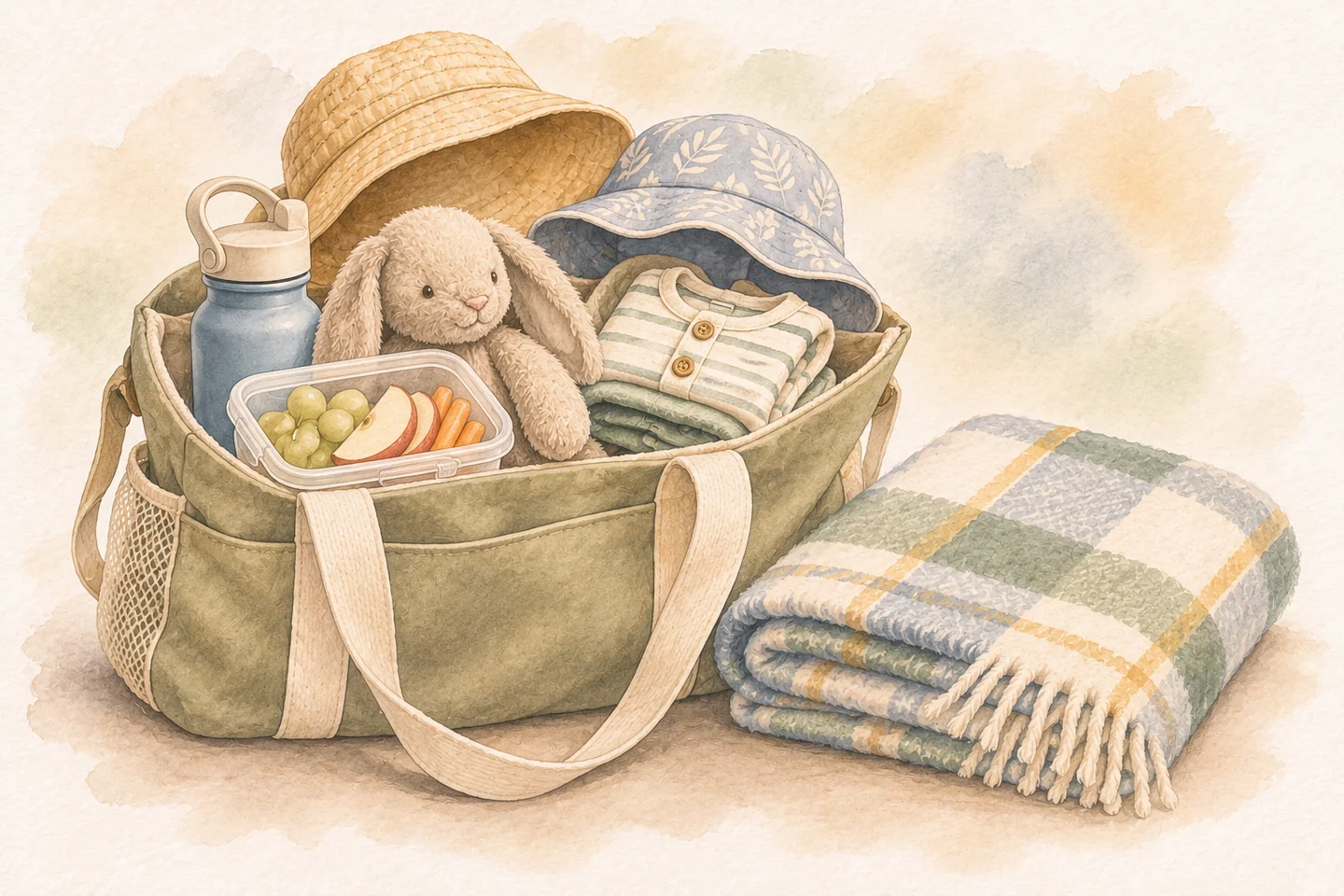
Two backups for baby, one spare top for you. Keep them within reach, carry-on for flights or a door-pocket pouch in the car. Add the real-world basics: wipes, nappy bags, sippy cup, mess-free snacks, a small new distraction, a portable change mat, zip-locks for quarantining disasters, a lightweight muslin, and a tiny first aid tin. Simple and reachable, and it saves your bacon when plans go sideways.
Meltdown kit
Think of this as your circuit-breaker bag. Include a favourite snack, one fresh toy, something sensory like a squishy or headphones, and keep it handy, not buried in the boot. Hold back the tablet as a last resort to buy a peaceful final stretch.
Sun and sleep extras that pay off
NZ UV goes from cheeky to brutal quickly. Download the free UVNZ app, check when the UVI hits 3 or higher, and set a quick morning reminder for sunscreen. Apply 20 minutes before you head out, reapply every two hours, and again after swims. If your baby naps best in the dark, a pop-up beach shelter can double as a portable sleep cave. Practise at home, add familiar cues, and keep ventilation open so they do not overheat.
Step 3: Win the road trip
Time your travel and plan real stops
If you can, leave early or late to dodge the holiday exodus. Waka Kotahi publishes peak periods and hot spots, which helps you avoid the worst of the stop-start grumpiness. On the day, build in breaks every couple of hours to fight fatigue and give little bodies a chance to sprint the wiggles out. If you feel drowsy, do not push on, pull over.
Quick checklist for the glove box
- Driver rested, routes checked, extra time banked.
- Stops every two hours, swap drivers if you can.
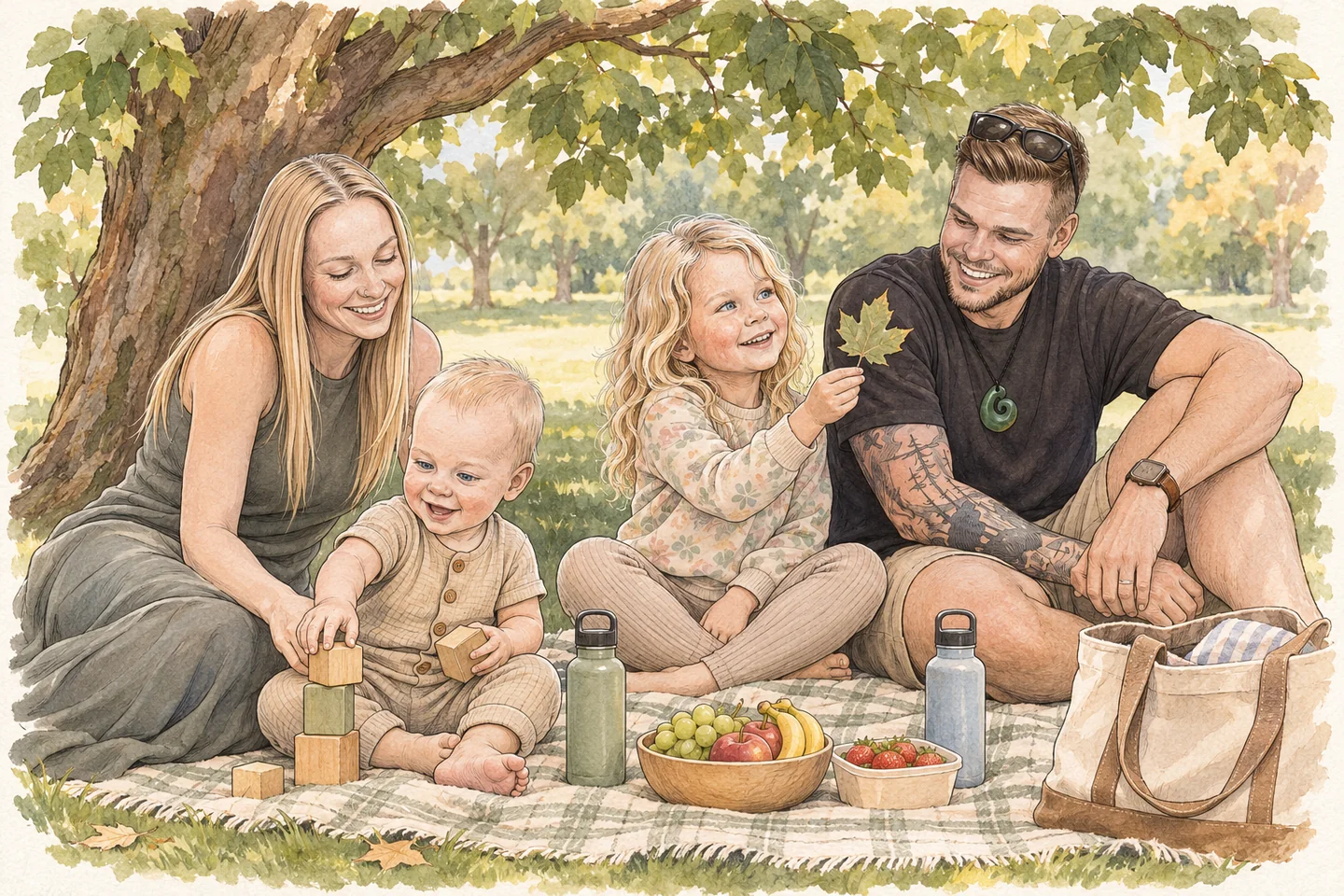
- Playground picnic plan to break the monotony.
Step 4: Make gatherings kinder on little nervous systems
Protect the routine where you can
Christmas lunch at 1 p.m. does not change your toddler’s biology. Plan naps and feeds close to normal where possible. Build a chill-out zone with favourite books and soft things, and give yourselves permission to duck out for a breather.
Keep connecting
During busy whānau catch-ups, I set mental reminders to drop by my kids every 20 to 30 minutes for a quick play or check-in. Tiny deposits in their emotional bank balance mean fewer withdrawals later. If you see the wobble building, connect before you correct. Label the feeling, offer the boundary, and head for that quiet corner together.
Step 5: Water, heat, and the realities of a Kiwi summer
Use an active Water Watcher
At a beach or pool with lots of adults, everyone can think someone else is watching. We use a bright cap as the Water Watcher tag. If you are wearing it, your only job is to watch the kids in the water, no phone, no distractions. Swap the tag every 15 to 20 minutes so focus stays sharp.
Stay within arm’s reach
This is the big one for under-fives. Young children can drown in seconds, even in shallow water. Keep a responsible adult literally within arm’s reach, always. Waves move fast, toddlers tip silently, and you want a hand on them if anything changes.
Heat smarts in the car
Parked cars get scorching. Before strapping in, touch-test metal buckles and seat surfaces, and cover the seat with a light towel when you leave the car in the sun. Your child’s skin will thank you.
Step 6: Flying with little people
Night flights can help, seats near the back make aisle runs easier, and airports here are surprisingly family-friendly. Air New Zealand lists infant allowances and support programmes, while Auckland Airport has parent rooms and a Hidden Disabilities Sunflower lanyard for extra help. Your carry-on is your lifeline: snacks, wipes and sanitiser, entertainment doled out slowly, and those spare clothes for both of you.
Our family’s small traditions that work
- Beach breakfast on Christmas Eve, low effort and high memory. Kids can run, we all eat.
- One slow unwrap, a few presents in the morning, pause for play, a couple saved for the afternoon.
- Presence over presents. We ask grandparents to gift experiences or go in on one bigger thing, then we do a family adventure in January.
The tiny decisions that make a big difference
Here is my honest take. The holidays go better when I lower the bar, front-load the planning, and keep a sense of humour about the mess. I have learned to expect the unexpected and pack like a realist. The Water Watcher tag makes everyone safer without killing the vibe. The UV app turns guesswork into timing.
If I had to boil it down to five moves for the season:
- Plan the people stuff early, then hold it lightly. Your child first, traditions second.
- Pack for bodily fluids and boredom. Two spare outfits for the little one, one for you, a meltdown kit within reach.
- Drive smart. Avoid peak windows, break every two hours, and never fight fatigue.
- Protect the rhythm. Keep naps, meals, and quiet time roughly on track. A predictable beat lowers tantrums, helps sleep, and makes big family days easier on little nervous systems.
- Guard the water. Visible Water Watcher, arm’s reach, always.
You do not need a perfect summer. You need a safe, connected one, with enough margin for naps, pit stops, and the odd ice cream or iPad bribery. If the wheels fall off mid-December, take a breath, go outside for a reset, and remember, anything that goes haywire tends to be a great story later on. Kia kaha, team. Enjoy the summer!